
𝐆𝐞𝐧𝐝𝐞𝐫 𝐌𝐢𝐧𝐢𝐬𝐭𝐞𝐫 𝐂𝐚𝐥𝐥𝐬 𝐟𝐨𝐫 𝐒𝐭𝐫𝐨𝐧𝐠𝐞𝐫 𝐀𝐥𝐥𝐢𝐚𝐧𝐜𝐞𝐬 𝐭𝐨 𝐄𝐧𝐝 𝐅𝐆𝐌
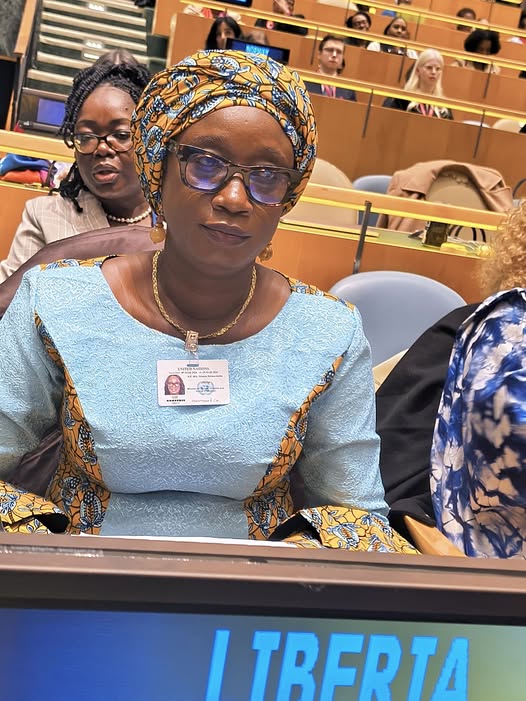
Gender Minister Gbeme Horace-Kollie has stressed the need to strengthen alliances with civil society organizations, women’s groups, and local communities to end Female Genital Mutilation (FGM) in Liberia and across the sub-region.
According to the Minister, FGM remains a major concern and must be addressed through a collective and coordinated approach.
Speaking on the sidelines of the United Nations Commission on the Status of Women conference in New York, the Gender Minister emphasized that FGM not only violates the rights of women and girls but also limits their potential and leaves lasting physical and psychological scars.
She noted that it is time for policies to be translated into enforceable laws and fully implemented.
Minister Horace-Kollie reaffirmed the Ministry of Gender, Children and Social Protection’s commitment to protecting women and girls from all harmful practices, including FGM, across Liberia.
Meanwhile, Liberia’s Permanent Representative to the United Nations, Ambassador Lewis Brown, stated that ending FGM requires a whole-of-society approach.
Ambassador Brown noted that strong political will, community ownership, and sustained investment are critical to eliminating the menace.
According to him, protecting women and girls from FGM strengthens the fabric of society and gives a voice to survivors of the practice.
The Liberian Ambassador made the remarks at a side event organized by the Ministry of Gender during the United Nations Commission on the Status of Women conference in New York on Monday.

