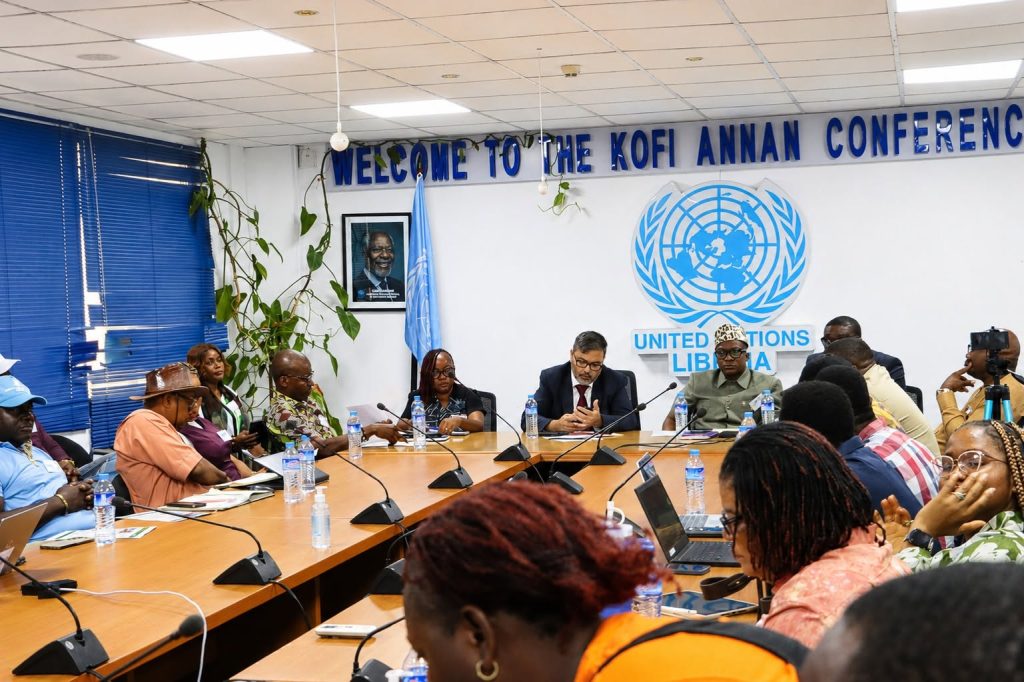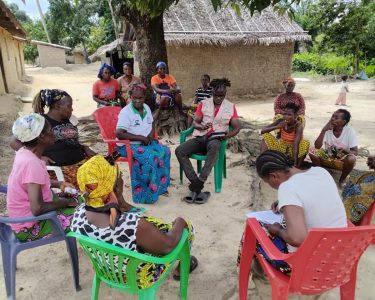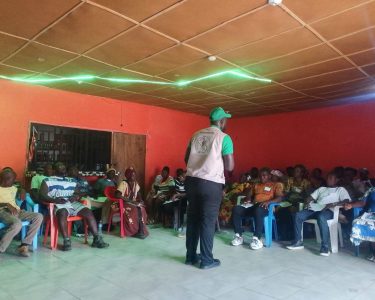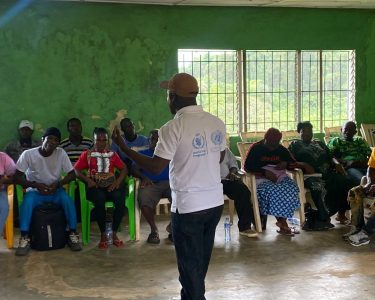
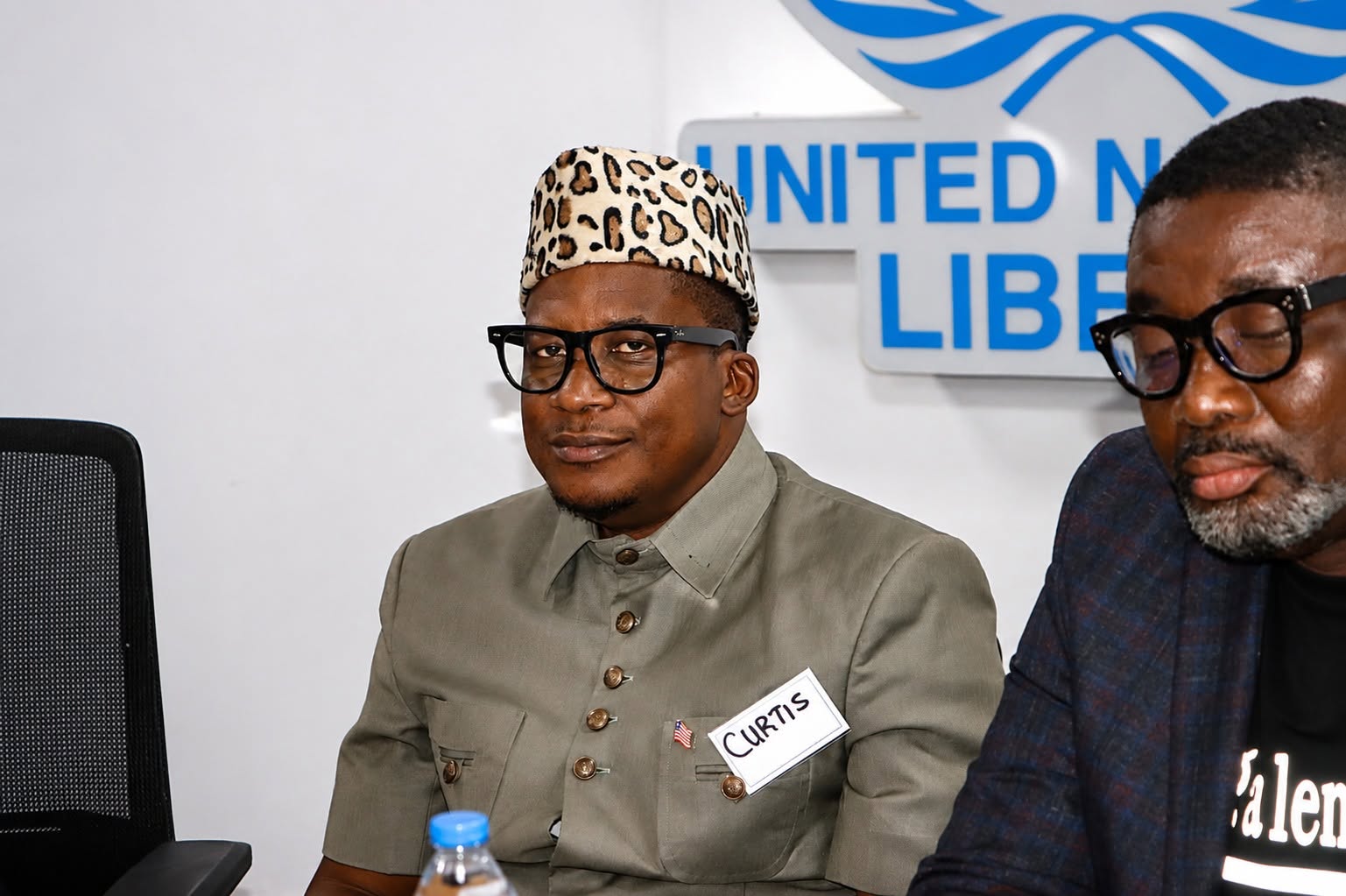
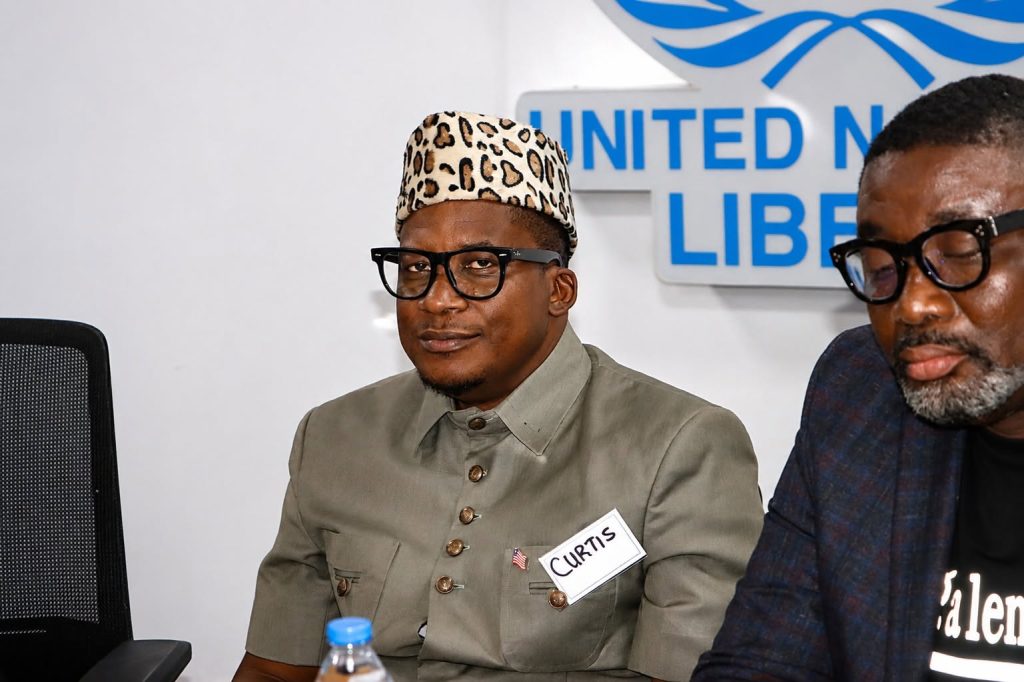
Monrovia, Liberia – Deputy Minister for Research, Policy and Planning at the Ministry of Gender, Children and Social Protection (MGCSP), Hon. Curtis V. Dorley, has officially launched the Liberia Care Snapshot Report, reaffirming the Government of Liberia’s commitment to strengthening the care economy as a pillar of gender equality, social protection, women’s economic empowerment, and inclusive national development. Developed by UN Women Liberia with support from the Governments of Norway and Sweden, the report is Liberia’s first comprehensive assessment of the economic value of both paid and unpaid care work, providing evidence-based recommendations to guide policies and investments that recognize care work as a vital driver of economic growth and sustainable development. Launching the report on behalf of the Government of Liberia, Hon. Dorley emphasized that care work should no longer be viewed solely as a household responsibility but as a productive investment that delivers lasting social and economic benefits. “Care is not a social cost. Care is a productive investment,” he stated, calling for increased investments in childcare services, social protection systems, family-friendly workplace policies, and quality services for older persons and persons with disabilities.
Hon. Dorley noted that the report aligns closely with the Ministry’s mandate to promote gender equality and strengthen social protection through policies and programs that protect vulnerable populations while creating opportunities for women, children, older persons, persons with disabilities, and families to thrive. He stressed that strengthening Liberia’s care economy will reduce poverty, increase women’s participation in the labor force, and improve the well-being of families across the country. The Deputy Minister further emphasized that the report provides a strong evidence base for coordinated action by government institutions, development partners, the private sector, civil society organizations, and other stakeholders to recognize, reduce, and redistribute unpaid care work while expanding access to affordable, quality care services nationwide.
According to the report, Liberian women contribute an estimated USD 1.08 billion annually through market-based economic activities, while unpaid care and domestic work generates an additional USD 530 million every year. The findings further indicate that closing gender gaps could increase Liberia’s Gross Domestic Product (GDP) by as much as 23.7 percent, while strategic investments in childcare and eldercare services could boost GDP by up to 19.3 percent. These findings demonstrate the significant economic contribution of care work and underscore the transformative impact that sustained investment in the care economy could have on Liberia’s long-term development, inclusive growth, and social well-being.
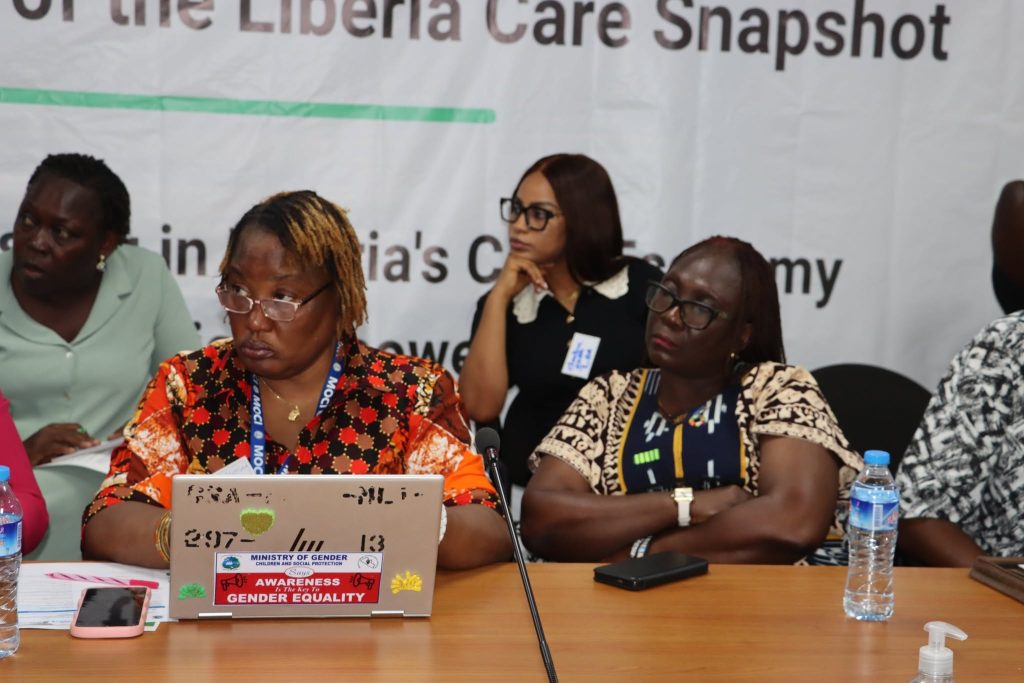
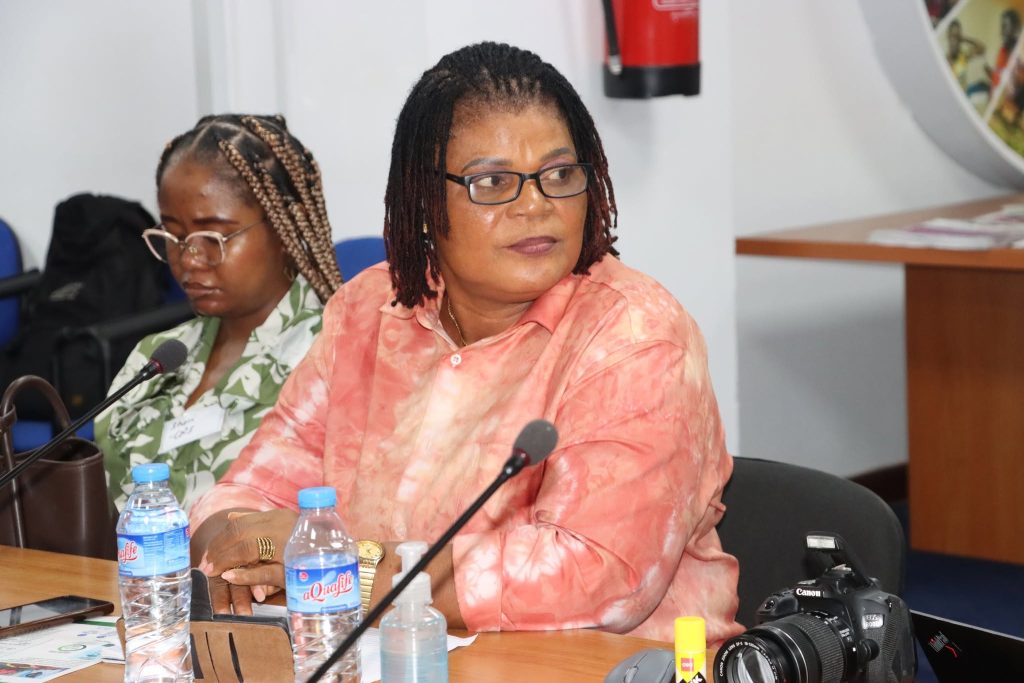
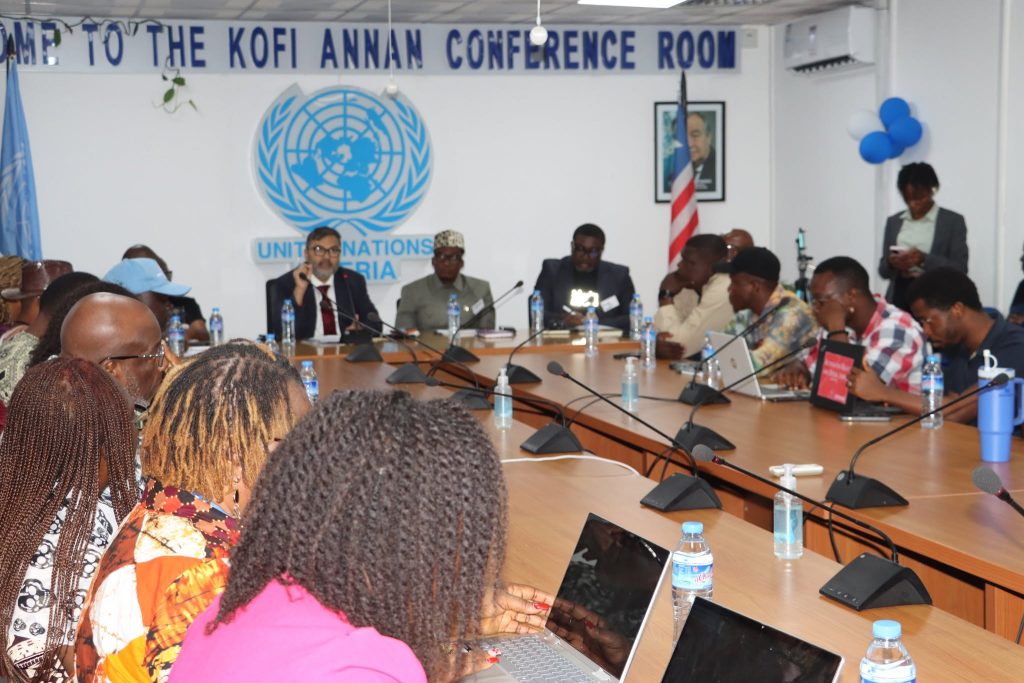
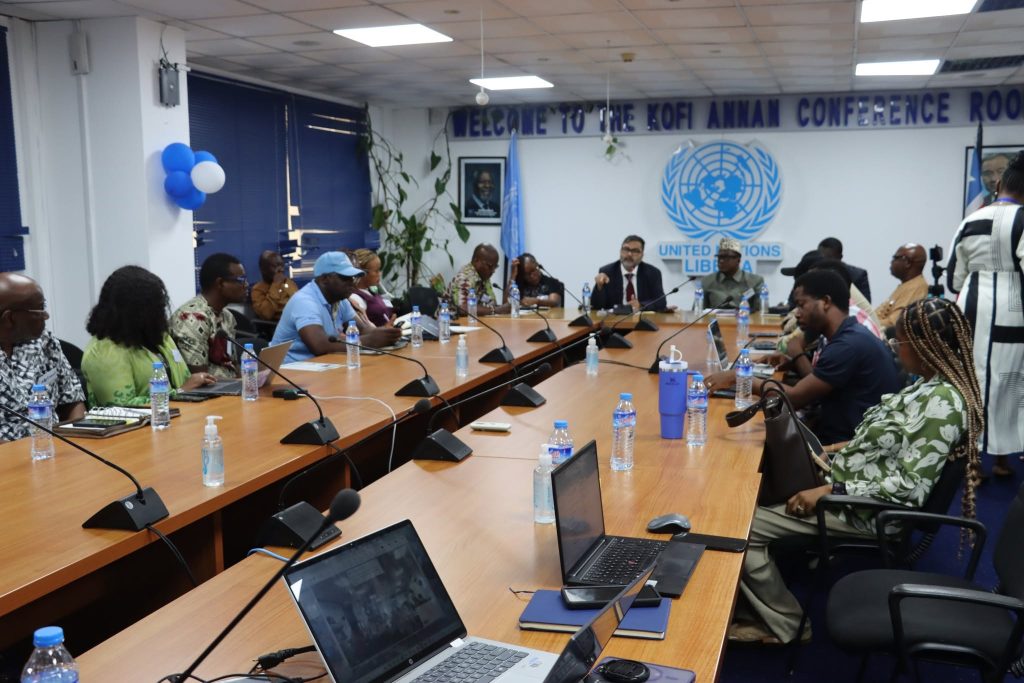
Speaking at the launch, UN Women Liberia Representative, Dr. Abul Hasnat Monjurul Kabir, underscored that investing in care systems is both a social imperative and a smart economic decision. “Investing in care is therefore not a cost; it is a smart investment that yields substantial social and economic returns,” he said. The launch brought together representatives of government institutions, development partners, the private sector, civil society organizations, academia, youth representatives, and the media to discuss evidence-based approaches for strengthening Liberia’s care economy and accelerating progress toward gender equality and sustainable development. Concluding the event, Hon. Dorley reaffirmed the Ministry of Gender, Children and Social Protection’s commitment to translating the report’s recommendations into practical policies and programs that expand access to quality care services, strengthen social protection systems, promote women’s economic empowerment, and ensure that care work receives the recognition and investment.